Production Notes
Guitars, bass, squeaky chair, chimes, percussion, programming, synths : PS Perkins
Drums, percussion, keyboards, chimes: R Thomas
Additional pots and pans, percussion, lead guitar, beat boxing: K Finch
Lyric Sheet
I was driving all alone along a dark
And lonesome road a long ways from home
Lightning strikes the radio comes on,
FM antenna lightning rod somebody else’s God
The air inside began to crackle and buzz,
Couldn’t figure out what it was head so full of fuzz
A burning world eclipsed in the shadows
Of a cumulus cloud
The weather’s going to change soon,
The weather’s going to change real soon
The weather’s going to change soon,
Whether that happens to change anything or not
Depends on what’s behind this almost endless
Cumulus cloud
Dare I say, dare I may, the hunter fails his prey
The geese are all on the wing and flying away
Can’t remember someone said something about a wagon
And a man in bed, Zarathustra is dead
Hell of a time to be alive, we must be the sole protectors,
We must toughen up our hides
Me I’d rather lay my head down on that cumulus cloud
The weather’s going to change soon,
The weather’s going to change real soon
The weather’s going to change soon,
Whether that happens to change our tune or not
Depends on just how long we’re stuck beneath this...
Thunderhead, wiping off the dirty slate,
Thinking, man this could be great
All the soda pop cans and paper plates
Are squeezing through the storm grates
Asphalt makes my bones ache
This desert is turning into a lake
Welcoming the aqua stead,
Bless this thunderhead...
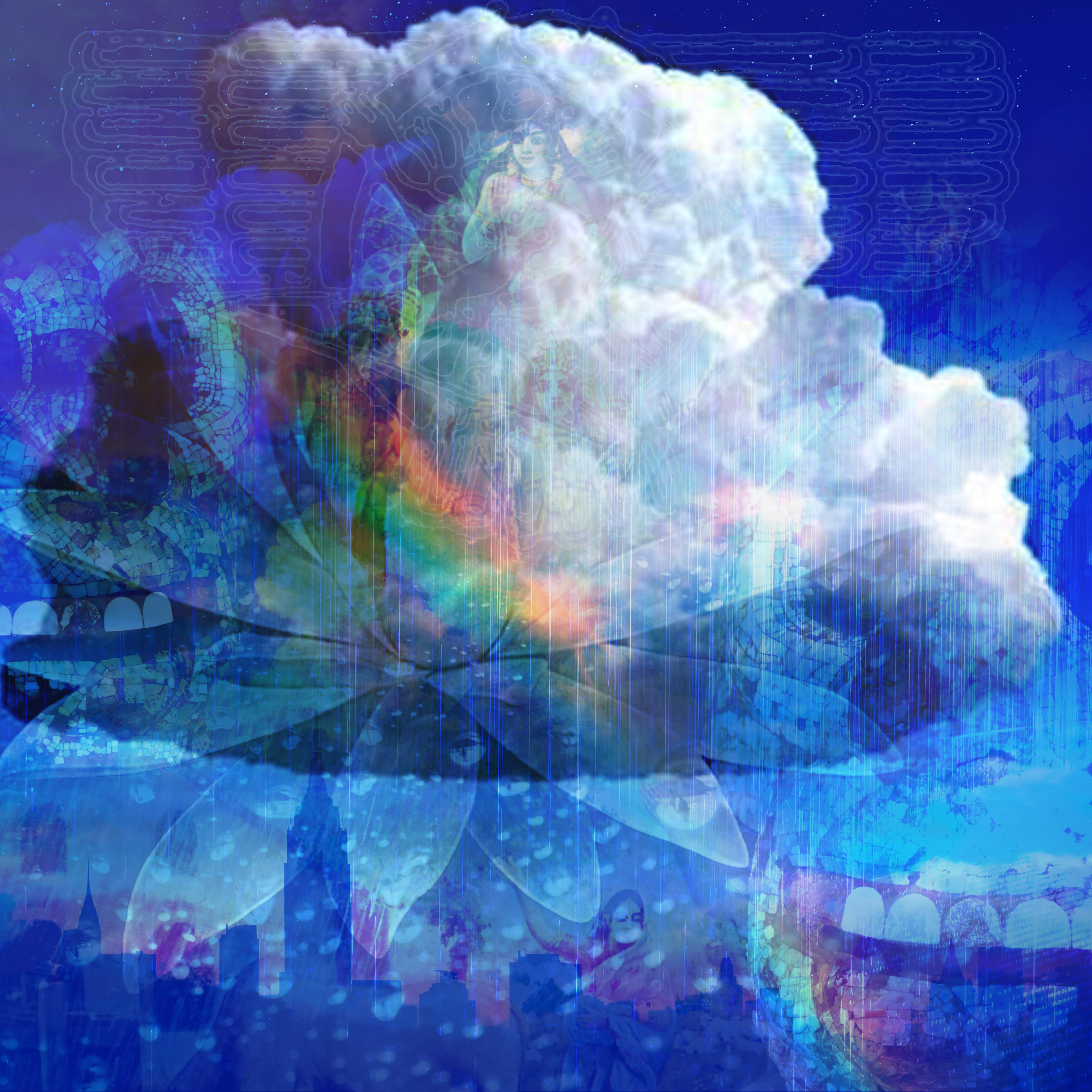
Marginalia
Annotation 01-11A: Weather Rather Than Events
Bell scholars have traditionally interpreted the Cumulus Cloud Suite as one of the earliest surviving expressions of atmospheric causality. Unlike earlier fragments that emphasize individual actions or prophetic visions, this composition shifts attention toward environmental conditions themselves. The gathering cloud is not treated as the cause of the storm but merely its most visible symptom. Later Bell philosophers would repeatedly invoke this fragment when explaining Phenominomics, arguing that civilizations resemble weather systems more closely than machines. Individual events may appear sudden, yet the conditions producing them accumulate gradually and often invisibly.
Annotation 01-11B: Convection
Although entirely instrumental, the opening movement has received considerable commentary for its portrayal of invisible preparation. Bell historians have frequently remarked that convection occurs beneath ordinary perception, requiring no dramatic intervention to initiate transformation. Warm air simply rises because it cannot do otherwise. Many scholars therefore regard the movement as an allegory for the earliest stages of historical convergence, during which seemingly unrelated choices begin quietly organizing themselves into future consequence long before anyone recognizes a pattern.
Bell Archive Note K-22 observes:
"The storm begins underground. The clouds merely announce its arrival."
Annotation 01-11C: Lightning on the Airwaves
The recurring image of radio transmissions interrupted by lightning appears throughout later Bell writings. Commentators frequently associate it with traditions of resonance, bells, and involuntary reception. The signal arrives unexpectedly. The listener does not summon it.
Several Bell scholars interpret the automobile as a symbol of ordinary consciousness. It follows familiar roads. It assumes familiar destinations. The interruption comes from elsewhere. The journey continues, but no longer unchanged.
The phrase "somebody else's god" has received sustained attention within the Archive. Bell commentators often read it as inherited conviction made suddenly visible. The realization is rarely comfortable. Many regard it as the true beginning of inquiry.
Annotation 01-11D: The Cumulus Cloud
Perhaps the suite's central image has generated more disagreement than any other. Early commentators identified the cloud with impending catastrophe itself. Modern scholarship generally rejects this conclusion. Within later Nazilic doctrine, clouds neither threaten nor rescue. They reveal. Their immense forms simply render visible atmospheric forces already present but previously unnoticed. Accordingly, Bell philosophers have often described ideologies, religions, revolutions, and civilizations as "clouds of causality"—temporary condensations within far larger energetic systems.
Annotation 01-11E: Whether the Weather Changes Anything
The repeated refrain has become something of a proverb within the Department. Bell scholars have frequently pointed out the deliberate play between "weather" and "whether," arguing that the composition distinguishes external change from internal transformation. Storms inevitably alter landscapes, yet they need not alter those who witness them. Consequently, Nazilic doctrine consistently maintains that catastrophe alone never produces wisdom. Only reflection upon catastrophe possesses that capacity.
Bell philosopher Elias Bell summarized the distinction:
"Rain changes the earth. Understanding changes the gardener."
Annotation 01-11F: Precipitation
The closing instrumental movement has traditionally been interpreted not as destruction but as release. Throughout atmospheric science, precipitation represents the inevitable discharge of accumulated instability. Bell scholars have frequently applied this principle to historical crises, observing that wars, collapses, persecutions, and revolutions seldom originate at the moment of eruption. Rather, they constitute the unavoidable consequence of tensions permitted to accumulate beyond equilibrium. The rain itself is therefore neither villain nor hero. It is simply gravity completing work begun long before.